
Reefer Transport That Protects Every Pallet
Reefer transport keeps chilled and frozen freight within specification. Learn what protects food quality, delivery timing and customer confidence at work.
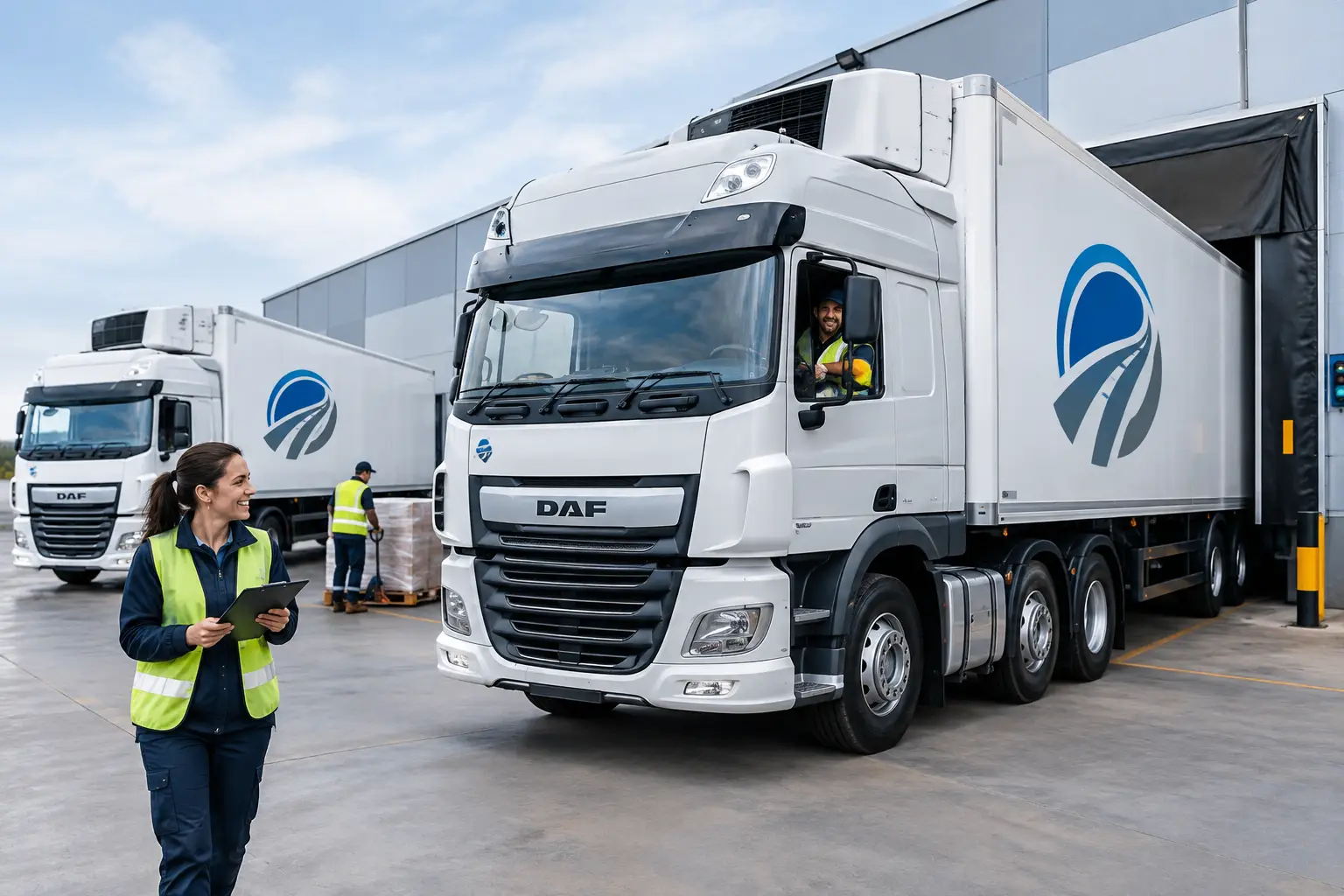
A chilled pallet can leave a warehouse in perfect condition and still become a costly problem before it reaches the receiver. A missed booking window, an open door for too long or a vehicle that was not prepared for the load can put product quality, shelf life and customer relationships at risk. Reliablereefer transportis not simply moving freight in a refrigerated truck. It is a controlled process built around the temperature your product requires, the time it must arrive and the way it needs to be handled at every handover.
For food manufacturers, distributors and warehouse teams, the standard is clear: freight needs to arrive on time, clean, secure and within specification. Whether the job is a single carton, several pallets or a regular multi-drop run, the details behind that outcome matter.
What reefer transport needs to protect
Reefer transport is temperature-controlled freight transport. It is used for products that must be kept cold, chilled or frozen while travelling between production sites, warehouses, distribution centres, stores and commercial customers. The refrigerated unit helps maintain the required environment, but it cannot correct a problem that existed before loading.
A frozen product loaded soft will not be made safe by setting the vehicle to a lower temperature. Likewise, chilled dairy, fresh meat and poultry can be affected if freight sits unrefrigerated on a loading dock or waits too long at the receiving end. Temperature control starts with properly conditioned product and continues through collection, loading, transport and delivery.
The required setting depends on the product and the customer’s specification. Frozen freight, chilled goods and dry freight should be planned separately, with clear instructions provided at booking. The aim is not just a cold vehicle. It is stable conditions that support product integrity from collection to proof of delivery.
Why time-critical delivery is part of temperature control
Temperature and timing are closely connected. Every delay increases the chance of a product sitting at a dock, a tailgate or a receiving area longer than planned. For customers managing short shelf life, production schedules or tightly booked receivals, an otherwise acceptable delivery can still cause disruption if it arrives late.
This is why dependable reefer transport requires practical scheduling. Collection times, delivery windows, site access, unloading requirements and contact details all need to be confirmed before the truck is dispatched. A carrier should also be able to respond when plans change, particularly when a customer needs an overnight, weekend or short-notice delivery.
There is always a balance to manage. A highly consolidated run may reduce freight cost, but it can introduce extra stops and less certainty around delivery time.A direct servicemay be the better fit for urgent or high-value freight. The right choice depends on the product, delivery commitment and the consequences of a delay.
The controls behind reliable refrigerated freight
A dependable service relies on disciplined operations rather than assumptions.Temperature monitoringprovides visibility during the journey and supports accountability if questions arise. It should be paired with equipment that is maintained, clean and suited to the job.
Loading practices are equally important. Freight needs to be stable, correctly wrapped and placed to allow suitable airflow. Overpacking a vehicle or blocking air circulation can create uneven temperatures around the load. Drivers and warehouse teams also need to minimise door-open time, particularly during busy collections and multi-drop work.
Cleanliness is not optional when transporting food. Vehicles must be maintained to a standard that protects freight from contamination, odour transfer and avoidable damage. SAFE FOOD accreditation and trained drivers give customers added confidence that the carrier understands the handling standards expected for sensitive goods.
At delivery, the right equipment can prevent avoidable delays.Tailgate-equipped trucksare valuable where a site does not have a loading dock or forklift access. They allow pallets and cartons to be unloaded safely and efficiently, reducing manual handling pressure and limiting the time freight is exposed outside the vehicle.
Booking details that prevent delivery problems
Most transport issues can be reduced before the vehicle arrives. Clear booking information allows the carrier to allocate the right truck, plan the route and brief the driver properly. This is especially valuable for jobs involving strict temperature requirements, restricted access or time-sensitive receivals.
When arranging refrigerated freight, provide the required temperature range, total pallet or carton count, dimensions and weight, collection and delivery contacts, site hours, booking references and any unloading constraints. Let the transport provider know if the freight is fragile, stacked at a particular height or requires tailgate unloading.
It also helps to identify what happens if the delivery site is closed, congested or unable to accept the load. Waiting time, redelivery requirements and storage arrangements can affect both cost and product protection. Transparent quoting should make these conditions clear rather than leaving customers to find unexpected charges after the job.
Choosing a reefer transport provider
Price matters, but the cheapest rate is rarely the full cost of a transport decision. A missed delivery, rejected pallet or product quality concern can quickly outweigh a small saving on the initial quote. The better question is whether the provider can consistently meet the operational requirements of the freight.
Look for a carrier that can explain how it manages temperature monitoring, vehicle cleanliness, driver training and delivery confirmation. Ask whether it can accommodate the service windows your operation actually uses, including early starts, overnight movements and weekend work where required. For Brisbane and South East Queensland businesses, local knowledge can also make a practical difference when traffic, site access and booking times are tight.
Four checks are worth making before you commit to a transport partner:
- Confirm the vehicle and service are suitable for chilled, frozen or dry freight requirements.
- Check that temperature control and handling expectations are documented at booking.
- Ask how delivery windows, waiting time and failed delivery scenarios are managed.
- Ensure rates for drops, pallets, tailgate work and hourly requirements are clear upfront.
A provider should be responsive when you need an answer, not only when the job is easy. Clear communication at the quoting stage is often a good indicator of how a service will perform when schedules change or an urgent load needs to move.
Where businesses lose control of cold freight
The most common risks are often outside the vehicle itself. Freight may be picked too early and left waiting. Pallets may arrive without the right labels or booking references. A warehouse may assume tailgate access is available when it is not. The receiver may have limited staff at the nominated time.
These issues are manageable when they are identified early. Operations teams should treat refrigerated dispatch as a shared process between the sender, carrier and receiver. The sender prepares and releases compliant freight. The carrier supplies suitable equipment and follows the agreed schedule. The receiver is ready to accept and check the load.
Regular freight programs benefit from reviewing this process over time. If certain sites regularly cause delays, if pallet counts change or if delivery windows are repeatedly missed, the transport plan may need adjustment. Small changes to booking cut-offs, collection times or vehicle allocation can improve consistency without adding unnecessary complexity.
Reliable transport protects more than the product
For food businesses, freight performance is part of the customer experience. Your customer sees the condition of the pallet, the punctuality of the delivery and the professionalism of the driver. They do not see the planning behind it, but they notice when it is missing.
BFC Logistics supports cold, chilled, frozen and dry freight with monitored temperature control, trained drivers, clean equipment and flexible delivery options. The focus is simple: move each load safely, on schedule and with the level of care your product requires.
When your freight has a strict temperature requirement or a delivery window that cannot slip, provide the full job details early. A well-planned booking gives every party the best chance of protecting the load and meeting the commitment made to your customer.
NEED TEMPERATURE-CONTROLLED TRANSPORT?
Talk to BFC about your freight, delivery window and temperature requirements.
Request a quote